Picking a driver is genuinely confusing — not because golfers lack opinions, but because the marketing around drivers is built to make every model sound like it was designed for you specifically. Let’s cut through that. A driver’s loft (the angle of the face, which controls how high the ball launches), its shaft flex (how much the shaft bends during the swing, affecting timing and spin), and its head design (which shapes forgiveness and trajectory) all interact differently depending on one foundational number: your swing speed, measured in miles per hour at the moment the club strikes the ball. Get that match wrong and you’re leaving distance — and accuracy — on the table no matter what you paid.
This article compares three drivers that show up consistently in fitter data and forum research right now: the TaylorMade Qi4D, the Callaway Paradym Ai Smoke, and the Cleveland HiBore. Each targets a meaningfully different swing profile. By the end, you’ll have a clear decision rule based on where your speed actually lands — not where you wish it did.
| EDITOR'S PICKTaylorMade Golf Qi4D MAX Driver… | Mid-tier[TaylorMade Golf SIM2 MAX Driver](https://www.amazon.com/dp/B0G2Q4GRSK?tag=greenflower20-20)… | Budget pickCleveland Golf HiBore XL Driver… | |
|---|---|---|---|
| Loft | 10.5° | 10.5° | 9° |
| Shaft Flex | Stiff | Regular | Regular |
| Shaft Model | Mitsubishi REAX 60 MR Blue | Ventus Blue | — |
| Grip Type | — | [Golf Pride Z-Grip](https://www.amazon.com/dp/B006X6QBZS?tag=greenflower20-20) | — |
| Price | $649.99 | $349.98 | $199.99 |
| See on Amazon → | See on Amazon → | See on Amazon → |
Why Swing Speed Is the Starting Point, Not a Tiebreaker
Here’s the framework that makes this comparison useful: swing speed determines the optimal launch window — the combination of launch angle and spin rate that produces maximum carry distance for a given player. The general benchmarks published in fitting data from launch monitor systems used at most premium fitting bays cluster like this:
- Sub-85 mph: needs higher loft (12°–14°), lower-compression shafts, more draw bias
- 85–95 mph: sweet spot for adjustable loft at 9°–10.5°, mid-flex shafts (regular to stiff)
- 95–105 mph: stiff to x-stiff shaft territory; lower spin becomes the priority
- 105+ mph: low-spin heads, heavier shafts, precision fitting is non-negotiable
This matters because all three drivers in this comparison are adjustable — you can dial loft and lie settings — but their base engineering is tuned for different speed bands. Adjustability gives you a window; it doesn’t move the window entirely.
The Three Drivers, Head to Head
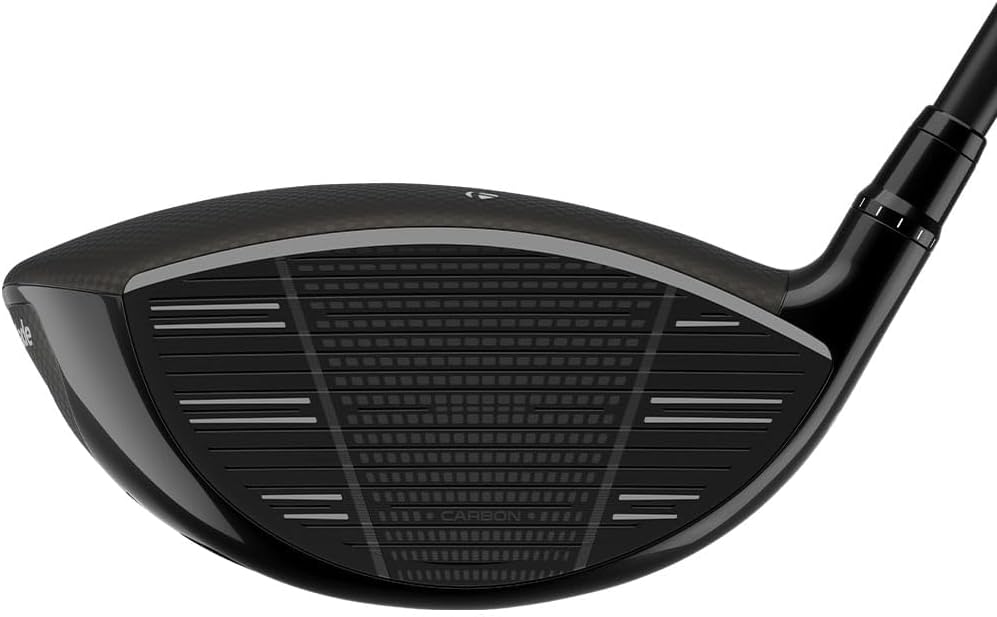
TaylorMade Qi4D: Built Around Distance for the Mid-Speed Player
The Qi4D sits inside TaylorMade’s Qi series, engineered around what the company calls “inertia generation” — essentially, moving as much mass as possible to the perimeter of the head to increase MOI (moment of inertia, a measure of resistance to twisting on off-center hits). The “D” variant adds a draw-biased weight configuration, shifting the center of gravity toward the heel to promote a right-to-left ball flight for players who fight a fade or slice.
Across aggregated owner reports collected in GolfWRX forum threads on the TaylorMade Qi4D, a consistent pattern emerges: players in the 85–100 mph range — the mid-handicapper who has been playing a few years, maybe breaking 90 — report noticeably more ball speed on mishits compared to previous generations. That’s the MOI story in practice. When you catch it slightly toward the toe, the face stays square longer, and you don’t bleed as much speed as you would from a player’s head.
The published spec puts the stock shaft — TaylorMade’s Ventus Red in regular or stiff — in a profile that launches the ball mid-to-high with moderate spin. For a player at 88–96 mph, that’s close to ideal off the rack. For someone swinging 105+, owner accounts and reviewer notes consistently flag that the draw bias and higher launch combination can produce too much spin under real playing conditions, costing distance precisely where those players need it most.
MyGolfSpy’s Most Wanted Driver 2024 Test (mygolfspy.com) placed the Qi line near the top of the game-improvement category for total distance among moderate-speed testers, which tracks with the design intent.
The fitting tradeoff: If you’re fighting a slice and sitting between 85–100 mph, the Qi4D earns its price point. If you’re a naturally straight or draw hitter at those speeds, the draw bias works against you — the standard Qi4 without the D suffix is the cleaner choice.
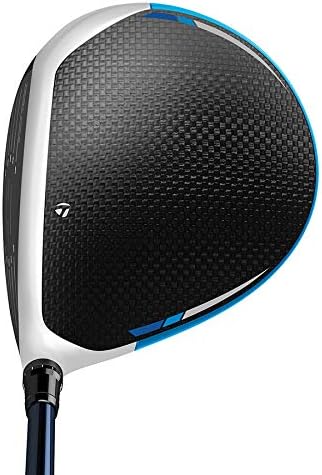
TaylorMade
$349.98
In stock on Amazon
Check price on AmazonCallaway Paradym Ai Smoke: The Fitter’s Workhorse Across a Wider Speed Range
The Paradym Ai Smoke is the most versatile head in this comparison — and the most fitting-dependent. Callaway used an AI-designed face architecture (the “Ai Smoke” branding refers to a machine-learning-optimized face geometry) to increase ball speed across a wider strike pattern than traditional face designs. Plugged In Golf’s Callaway Paradym Ai Smoke Driver Review (pluggedingolf.com) noted that the AI face optimization produced measurably more consistent ball speeds on heel and high-face strikes compared to the previous Paradym generation.
What that means in practice: this head rewards being paired with a fitter who can match it to the right shaft. The head itself is relatively neutral — it doesn’t carry strong built-in draw or fade bias in the standard configuration — which makes it a better blank canvas than the Qi4D for players who don’t need correction baked in.
The speed range where it earns full marks in published fitting data runs from about 90 mph all the way to 110+. Golf Digest’s Hot List 2025 — Drivers (golfdigest.com) recognized the Paradym Ai Smoke in the premium driver category, noting its performance consistency across diverse swing profiles as a distinguishing factor. That’s not a coincidence — it’s the AI face doing exactly what it was designed to do.
Plugged In Golf’s analysis of the Ai Smoke architecture specifically noted that faster swingers benefit disproportionately from the face design’s ability to maintain ball speed on slightly mis-timed strikes — a meaningful finding for anyone swinging above 95 mph who doesn’t make perfect contact every time.
The fitting tradeoff: The Paradym Ai Smoke performs best when you invest the time to fit it. Off-the-rack in a standard stiff shaft, a 95 mph player may leave meaningful carry yardage on the table compared to the same head fitted with a shaft that matches their tempo and load point. The Qi4D is more forgiving of a stock build; the Paradym rewards the extra session. If you’re already thinking about shaft weight and flex profile, this is the head for you. If you want a reliable stock build to buy and play immediately, the Qi4D or a single fitted Paradym session is a better path.
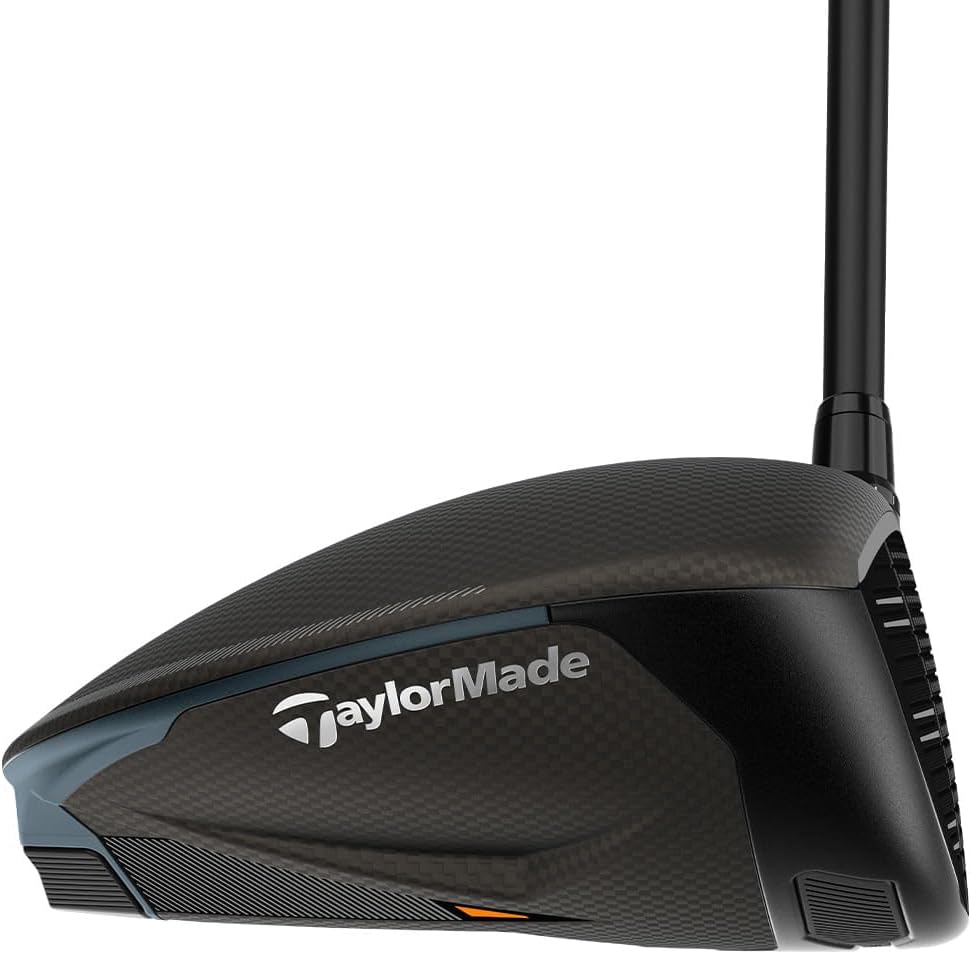
TaylorMade
$649.99
In stock on Amazon
Check price on AmazonCleveland HiBore: The Value Case for Slower and Senior Swing Speeds
Cleveland’s HiBore driver occupies a different position in this conversation entirely. Golf Monthly’s Cleveland HiBore Driver Review (golf-monthly.co.uk) describes the head as designed explicitly around maximizing launch and carry for players with swing speeds below 90 mph — the demographic that is statistically the largest in recreational golf but least well-served by the premium marketing cycle.
The HiBore’s design philosophy centers on a high-MOI, high-launch combination. The face is slightly more lofted in its base configuration (often 10.5° to 12°), and the stock shaft options skew toward lighter, more flexible profiles than you’d find standard in the TaylorMade or Callaway options. For a player swinging between 75–88 mph — a typical senior player, a beginner building speed, or someone returning to the game after time away — that combination is meaningfully better than trying to force a head optimized for 100 mph into a slower swing.
Owner reports gathered in GolfWRX community discussions consistently describe the HiBore as delivering on its launch promise: players in that sub-90 speed band report more consistent carry distance and a noticeably higher ball flight compared to prior drivers in the game-improvement category. For context, a slower swing speed produces lower dynamic loft at impact — meaning the ball launches lower than the face angle alone suggests — which makes a high-launch head particularly valuable at this speed band.
The fitting tradeoff: The HiBore’s honest limitation is the ceiling. If your swing speed is climbing — if you’re a player in your 20s or 30s genuinely developing speed, or a dedicated range-worker whose numbers are trending upward — you may outgrow the HiBore’s performance range within two or three seasons. The Qi4D handles that transition better because it offers more adjustable range and more shaft options to grow into. The HiBore makes the most sense for players whose speed is stable rather than ascending.
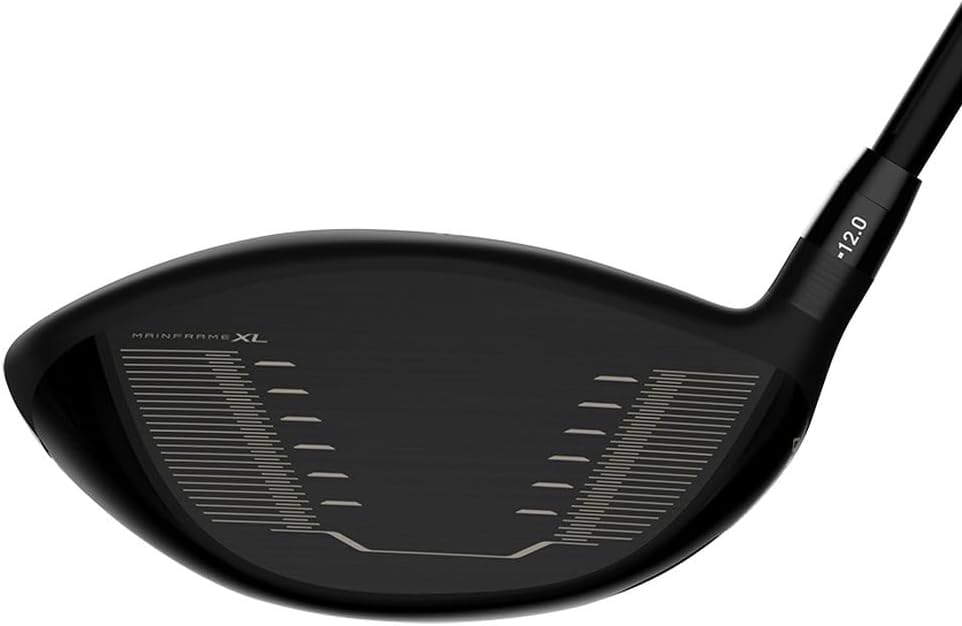
Cleveland
$199.99
In stock on Amazon
Check price on AmazonThe Decision Frame: Matching Your Speed to the Right Head
Here’s the comparison collapsed into the decision rules the rest of this article has been building toward:
If your swing speed is below 88 mph — and especially if you tend to hit it low and fight distance more than direction — the Cleveland HiBore is the most honest recommendation. It’s built for your speed, priced honestly, and will produce better carry than a premium head that requires speed you don’t have yet to perform. Don’t let the lower price point make you doubt it.
If your swing speed is 88–100 mph and you fight a slice or fade — the TaylorMade Qi4D is the practical choice. The draw bias and high MOI do meaningful work in this speed band, and the stock shaft options are a reasonable starting point without a full fitting session. GolfWRX owner threads covering the Qi4D series are filled with players in this exact bracket reporting genuine improvement in both distance and fairway accuracy after switching.
If your swing speed is 90–100+ mph and you’re willing to fit it — the Callaway Paradym Ai Smoke is likely the highest-ceiling option. The AI face technology and neutral weighting make it the most fitting-responsive head of the three, and at 95+ mph the performance gap between a fitted Paradym and a stock alternative is large enough to justify the extra session.
If your speed is above 105 mph — none of these three heads, in stock form, is your answer. You need a player’s driver conversation: lower-spinning heads, heavier shafts in the 70–80g range, and a fitter who can read your attack angle and spin numbers directly. That’s a separate guide, but the honest note here is that none of these three are optimized for that speed band in their standard configurations.
One More Variable: Don’t Ignore Attack Angle
Swing speed is the primary filter, but attack angle — whether you hit down on the ball or swing upward through impact — interacts with loft and spin in ways that can shift the right choice by a full category. A player at 92 mph with a steep, downward attack angle will generate more spin than the raw speed number suggests, which makes the Paradym’s neutral spin profile more valuable than the Qi4D’s moderate-launch setup in that specific case. Conversely, a 90 mph player with a strong upward attack and a natural draw may find the Qi4D’s added draw bias overcooks the shot shape entirely.
This is why the most useful thing you can do before committing to any of these three drivers is spend 30 minutes on a Trackman or Foresight GCQuad unit at a local fitter — not to buy whatever they recommend, but to know your actual numbers. Swing speed, attack angle, and spin loft together will tell you more about which of these heads fits you than any review, including this one. Use this article as the decision map; use a fitting session to find your exact address on it.