If you’ve ever stood at a fitting bay and been handed a set of irons to try, you probably noticed that the shafts — the long metal or composite tubes connecting the grip to the clubhead — come in two main materials: steel and graphite. Steel shafts are the traditional choice, made from metal alloy, generally heavier, and associated with better players. Graphite shafts are made from carbon-fiber composite, lighter, and historically bundled with women’s clubs or seniors’ sets. That reputation is outdated, and clinging to it is costing a lot of mid-handicappers (golfers who typically shoot in the mid-80s to mid-90s) real distance, consistency, and comfort. This article walks through the actual fitting decision — the tradeoffs, the math, and the “if X, then Y” logic that should drive your choice — so you can stop defaulting to steel out of habit and start building a set that matches your swing.
| EDITOR'S PICK[KBS MAX Graphite Iron Golf Shaf…](https://www.amazon.com/dp/B07YBJQ7GX?tag=greenflower20-20) | Mid-tier[TRUE TEMPER Elevate MPH 95 Stee…](https://www.amazon.com/dp/B0C6441DWV?tag=greenflower20-20) | Budget pick[Apollo Shadow Graphite Golf Sha…](https://www.amazon.com/dp/B00P00GWL6?tag=greenflower20-20) | |
|---|---|---|---|
| Weight (grams) | 85g | 95g | 80g |
| Shaft Count | 7 shafts | Single shaft | Single shaft |
| Flex Options | Stiff | Regular | Regular/Stiff |
| Origin in Title | — | — | Uncut |
| Tip Diameter | — | .370" | — |
| Price | $149.99 | $29.69 | $13.33 |
| See on Amazon → | See on Amazon → | See on Amazon → |
Why the “Steel Is for Serious Players” Assumption Breaks Down
The stigma around graphite irons has a real origin. For most of the 1990s and early 2000s, graphite iron shafts were inconsistent. Tip sections were soft, torque (the shaft’s resistance to twisting during the swing) was high, and the feedback at impact felt muted compared to steel. Players who cared about shot shape and trajectory control stayed on steel, and the association stuck.
But the technology moved on. Golf Monthly’s “Best Iron Shafts 2025: Steel and Graphite Compared” notes that modern graphite iron shafts from manufacturers like Nippon, Mitsubishi, and True Temper’s Project X branch now offer tip stiffness profiles, torque ratings, and weight ranges that directly compete with premium steel — in some cases with tighter shaft-to-shaft consistency in weight and flex than steel shafts in the same model run.
Here’s the core problem: most mid-handicappers never revisit the steel default because it feels like a signal of competence. GolfWRX’s “Steel vs. Graphite Shafts in Irons: The Club Fitter Perspective” consistently surfaces this pattern — players resist graphite irons not because of a fitting reason but because of ego. That’s a bad decision framework when you’re spending $600–$900 on a new iron set.
The actual question isn’t “which material is better for serious players?” It’s: which shaft weight and profile produces the best combination of launch angle, spin rate, and dispersion for your swing speed, transition, and tempo? Material is downstream of those answers.
The Numbers That Should Drive the Decision
The most important variable in iron shaft fitting isn’t material — it’s weight. And the two materials produce very different weight ranges.
By the numbers:
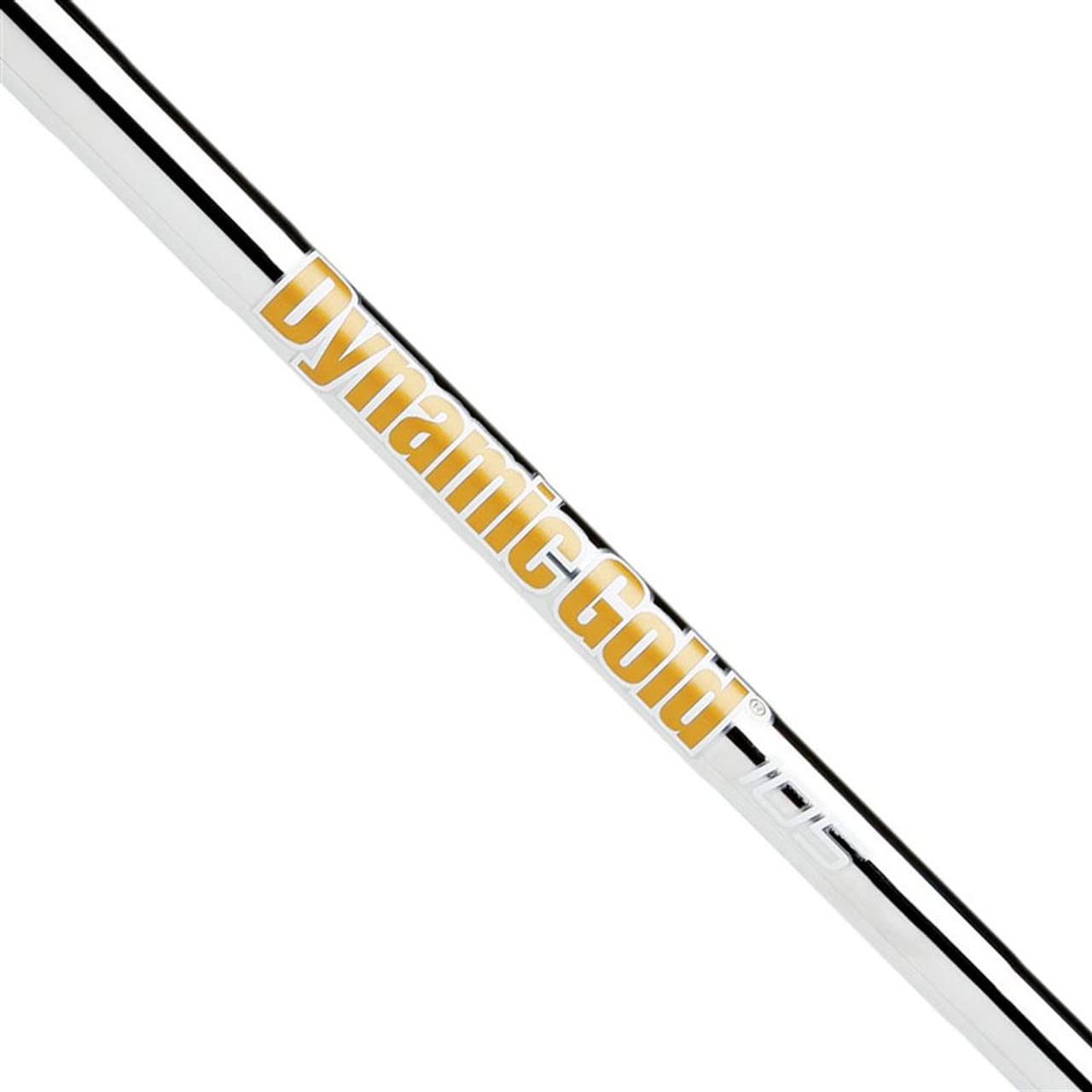
- Standard steel iron shafts (e.g., True Temper Dynamic Gold): 120–130 grams
- Lightweight steel (e.g., Nippon NS Pro 950): 95–105 grams
- Standard graphite iron shafts (e.g., Mitsubishi MMT): 65–85 grams
- Tour-weight graphite (e.g., Nippon Modus3 105 graphite): 100–110 grams
That 30–60 gram difference across a set of seven irons is not trivial. MyGolfSpy’s “MOI Matching and Shaft Weight: What the Data Says About Iron Performance” notes that for every 10 grams of shaft weight reduction, most golfers see roughly 1–2 mph increase in swing speed — which translates, all else equal, to 3–5 yards of additional carry distance per club. Across a full iron set, a lighter shaft can mean the difference between hitting a 7-iron or an 8-iron from 155 yards, which has real on-course scoring implications.
But weight reduction isn’t free. Lighter shafts also tend to increase the risk of over-acceleration during the downswing — particularly for players with aggressive transitions or “jerky” tempo. That excess speed can create higher spin rates, inconsistent face angles at impact, and wider dispersion patterns (a wider spread of shots left and right of target). So the question becomes: where does your swing fall on the tempo and transition spectrum?
The Four Fitting Variables That Actually Determine Which Shaft You Need
1. Swing Speed
Golf Digest’s “Iron Shaft Fitting Guide” notes that golfers with 6-iron swing speeds below roughly 75 mph — which corresponds approximately to a mid-handicapper who doesn’t generate tour-level power — are frequently underserved by heavy steel shafts. The Dynamic Gold 120-gram shaft, designed for players generating high ball speeds, can actually reduce distance and increase effort for a moderate-speed swing because the player is fighting the shaft’s weight rather than loading it efficiently.
Conversely, a player with a 7-iron swing speed above 85 mph and an aggressive transition may find that a standard-weight graphite shaft produces too much shaft kick and unpredictable launch. This is where tour-weight graphite (around 100–110g) closes the gap — you get the vibration-dampening and lighter feel of graphite without sacrificing tip stability.
If X, then Y:
- Swing speed below ~75 mph with a 6-iron → graphite almost certainly produces better results; don’t let stigma block the conversation
- Swing speed 80–95 mph, smooth tempo → lightweight steel (Nippon 950, ~95–100g) or mid-weight graphite (~85–95g) are both competitive; get on a launch monitor and compare
- Swing speed 90+ mph, aggressive transition → heavier steel or tour-weight graphite; standard graphite likely adds too much variability
2. Tempo and Transition
Tempo describes how long your swing takes from takeaway to impact. Transition is what happens at the top — how aggressively you shift from backswing to downswing. These are the two variables that interact most directly with shaft weight.
Plugged In Golf’s “Graphite Iron Shafts: Are They Right for You?” makes a useful distinction: players who “throw” the club from the top — early cast, over-the-top path tendencies — often benefit from heavier shafts in general because the added weight moderates the impulsive downswing motion. That’s a player who might actually do better on heavier steel even at moderate swing speeds. Players with smooth, rhythmic swings tend to load lighter graphite shafts more consistently and see the distance and dispersion benefits.
This is fitting information a club fitter at a Trackman or Foresight GCQuad bay can surface in 15–20 swings. If you haven’t had a fitting that measured your tempo ratio (the ratio of backswing time to downswing time — typically around 3:1 for smooth swings), you’re working with incomplete data.
3. Joint Health and Impact Feel
This one is underrated in buying guides because it feels like a “weakness” admission. It isn’t. Graphite shafts dampen the vibration transmitted from the clubface at impact by a measurable degree. Golf Monthly’s “Best Iron Shafts 2025: Steel and Graphite Compared” cites independent club fitter testing showing graphite reduces impact shock meaningfully compared to steel at similar stiffness profiles. For golfers managing elbow tendinopathy, wrist issues, or arthritis, that isn’t a comfort preference — it’s a functional fitting requirement.
If you’re mid-handicap, competitive, and managing any chronic arm or wrist issue, defaulting to heavy steel purely for “feel” credibility is actively working against your game.
4. Set Composition and Shaft Blending
Here’s a scenario that fitters encounter constantly: a player carries a graphite-shafted driver and 3-wood, lightweight graphite hybrids, and then full-weight steel irons. The weight and stiffness jump from hybrid to long iron (4 or 5 iron) is severe enough to produce a genuine tempo disruption mid-round. MyGolfSpy’s “MOI Matching and Shaft Weight: What the Data Says About Iron Performance” highlights that inconsistent weight flow across a set creates more swing variability than most players attribute to technique.
If you’re building or upgrading a hybrid-iron combo, matching shaft weight profiles through the transition zone (hybrid → 4/5 iron → 6 iron) is worth spending fitting time on. Many mid-handicappers would benefit from graphite shafts through the 5 or 6 iron and transitioning to lightweight steel in the shorter irons — where control and feel tend to outweigh the distance benefit of going lighter.
Comparing the Options: Which Shaft Category Fits Your Game?
The shaft market divides practically into three tiers based on weight class and price. Here’s how each plays out for a mid-handicapper.
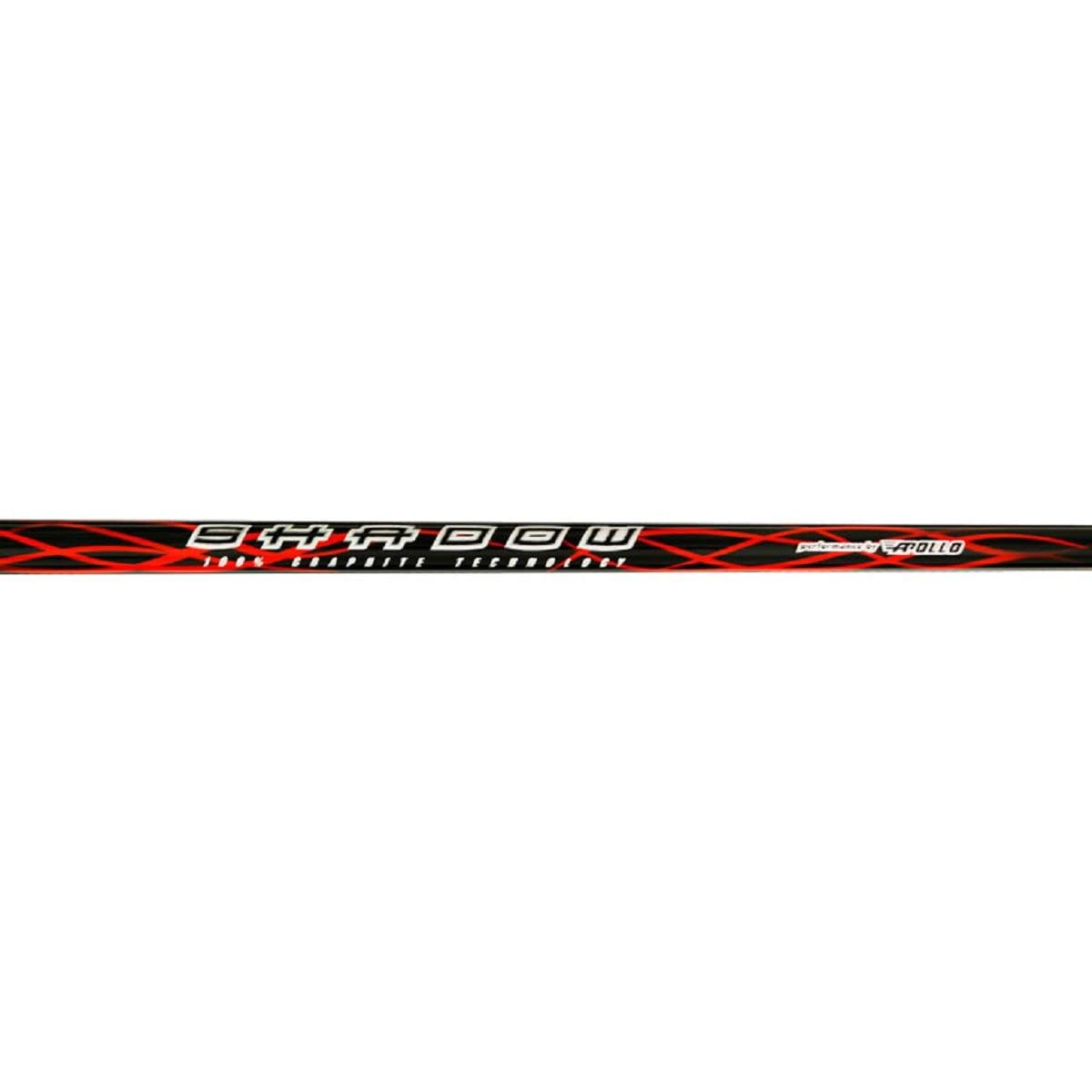
Budget-Friendly Entry: Standard Graphite (65–85g)
Standard graphite iron shafts — such as those bundled with many game-improvement iron sets at retail — are the most accessible entry point into lighter-weight iron play. They suit moderate swing speeds (below ~78 mph with a 6-iron), smooth tempos, and players who prioritize distance and comfort over workability. Price per shaft is generally the lowest of the three categories, and they are widely available as stock options on major iron releases.
The tradeoff: torque ratings on entry-level graphite can be higher than premium options, which means players with faster or more aggressive swings may notice inconsistent shot direction. If budget is the primary constraint and your swing speed is moderate, these shafts represent real performance value relative to heavy steel defaults.
Apollo
$13.33
In stock on Amazon
Check price on AmazonMid-Range Sweet Spot: Lightweight Steel or Mid-Weight Graphite (85–105g)
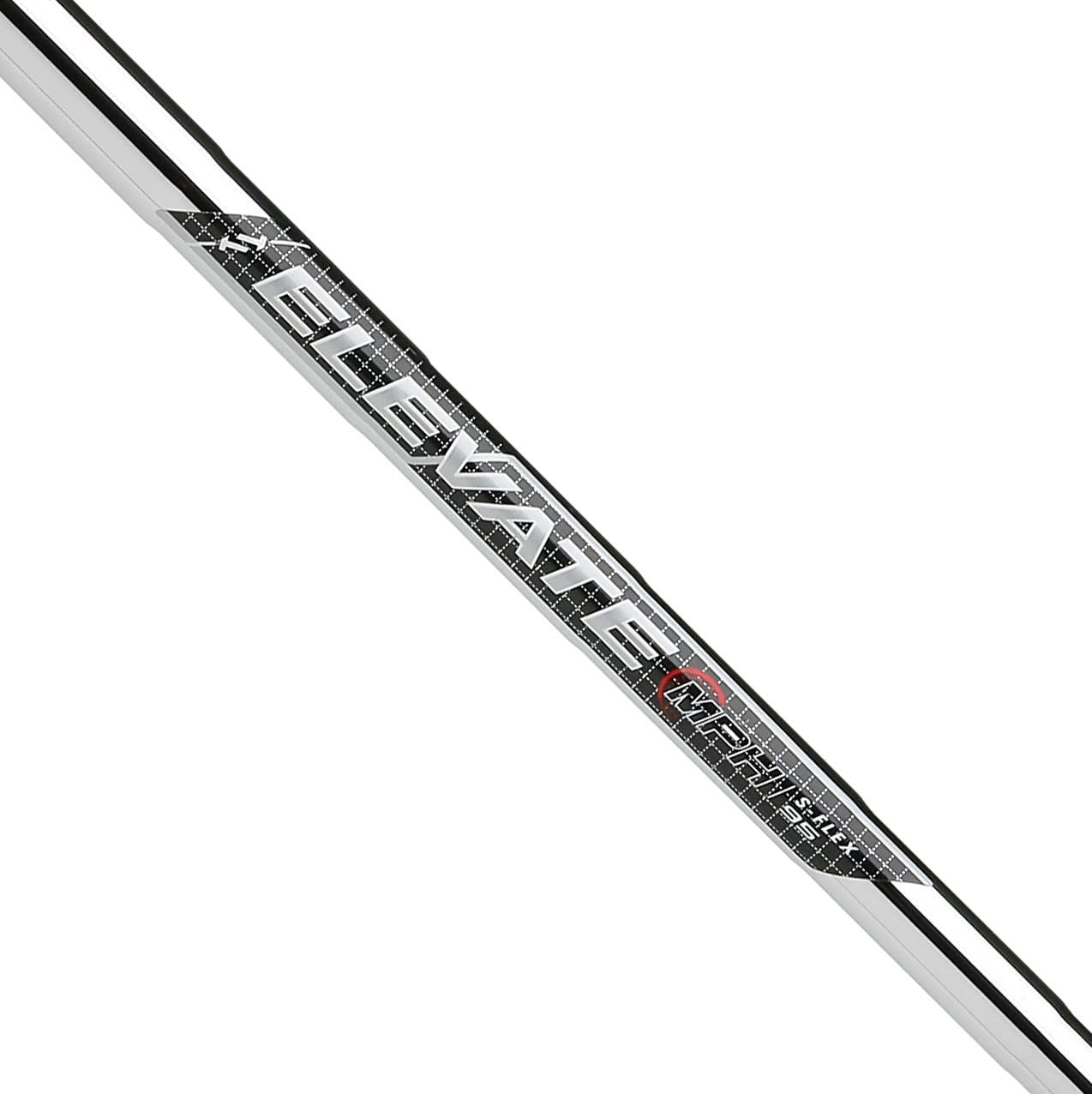
This is the category where most mid-handicappers with swing speeds in the 78–92 mph range (6-iron) will find their best combination of distance, control, and consistency. Shafts like the Nippon NS Pro 950 (steel, ~95–100g) and mid-weight graphite options in the 85–95g range sit in a weight window that loads efficiently for a broad range of tempos without the variability risk of going too light.
GolfWRX’s “Steel vs. Graphite Shafts in Irons: The Club Fitter Perspective” repeatedly names this weight range as the most underutilized segment among mid-handicappers — players who would benefit immediately from stepping down from 120g Dynamic Gold shafts but never make the move because they associate lighter weight with inferior play. That association does not hold in the data.
TRUE
$29.69
In stock on Amazon
Check price on AmazonPremium Performance: Tour-Weight Graphite (100–110g)
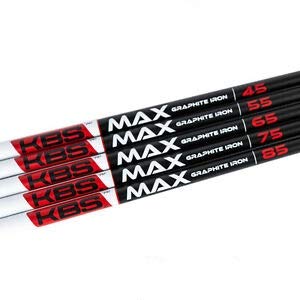
Tour-weight graphite shafts — such as the Nippon Modus3 105 graphite — offer the vibration-dampening and marginal weight advantage of graphite while matching the tip stiffness and low torque profiles that faster swingers require. These are the shafts that close the argument about graphite being “for slower players.” A player at 90+ mph swing speed with smooth tempo and any joint health consideration has a legitimate tour-quality graphite option that produces competitive dispersion numbers against heavy steel.
The premium price point is real — custom-shaft fitting in this category adds meaningful cost to a set build. But for the right player profile, the performance case is well-supported by launch monitor data, and Golf Digest’s “Iron Shaft Fitting Guide” positions this segment as the fastest-growing area of iron shaft fitting at high-end facilities.
KBS
$149.99
In stock on Amazon
Check price on AmazonWhat the Mid-Handicapper Gets Wrong Most Often
Synthesizing the fitting data and fitter commentary from Golf Digest’s “Iron Shaft Fitting Guide,” GolfWRX’s “Steel vs. Graphite Shafts in Irons: The Club Fitter Perspective,” and Plugged In Golf’s “Graphite Iron Shafts: Are They Right for You?”, the most common mistake is this: the player selects a shaft stiffness (regular, stiff, X-stiff) without addressing shaft weight first.
Stiffness and weight are independent variables. You can have a 120-gram stiff steel shaft and an 85-gram stiff graphite shaft — same flex category, but 35 grams apart in total weight. Many mid-handicappers move from regular to stiff steel because they read that “stiff is for faster swingers” and get marginally better direction control, but they’re still leaving distance and consistency on the table because the shaft is too heavy for their speed.
The fitting sequence that actually works:
- Establish your 6-iron swing speed on a launch monitor (not estimated — measured)
- Use that data to narrow your weight range (light/mid/heavy)
- Within that weight range, trial both steel and graphite options at the appropriate stiffness
- Compare launch angle, spin rate, and dispersion — not just feel
Feel matters, but it should be the tiebreaker, not the primary selection variable.
The Bottom Line: If X, Then Y
The decision tree is simpler than the marketing noise makes it:
- If your 6-iron swing speed is below 78 mph → trial graphite first; heavy steel is likely working against you
- If you have any chronic arm or wrist discomfort → graphite is a functional requirement, not a concession
- If your swing speed is 80–95 mph with smooth tempo → lightweight steel and mid-weight graphite are both legitimate; get on launch monitor data before committing
- If you carry hybrids and want better set flow → consider graphite through 5-iron even if you stay on steel for 6-iron through wedges
- If your swing speed is above 95 mph with an aggressive transition → heavy steel or tour-weight graphite (100g+); standard graphite adds variability you don’t need
Steel shafts are not inherently more serious, more precise, or more appropriate for competitive mid-handicap play. They’re one option in a weight and profile spectrum. The player who goes into a fitting asking “which material?” instead of “what weight and profile fits my swing?” is the player who ends up with the wrong irons — regardless of the brand on the head.
Get the fitting data first. Let the material follow from the numbers.